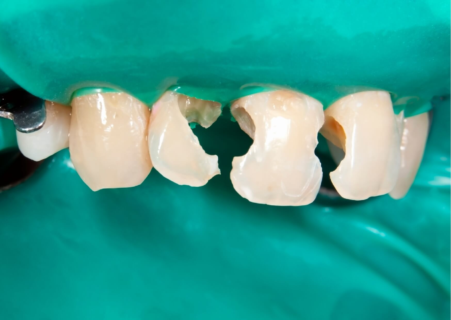
What Does a Cracked Tooth Look Like?
A cracked tooth may look like a thin line in the enamel, but many cracks are too small or too deep to see at home. In many cases, people notice symptoms before they notice anything visible.
A crack may appear as a faint vertical line, a dark hairline mark, a chipped edge, or a split that runs from the chewing surface toward the gumline. Some cracked teeth still look completely normal.
That is why appearance alone cannot confirm the problem. If a tooth hurts when you bite, reacts sharply to cold, or suddenly feels different, a dental exam is the safest next step.
At Dental Wellness in Sioux Falls, our emergency care team provides prompt assessment and care for sudden dental damage or severe tooth pain.
Why Cracks Are Easy to Miss
Teeth often develop small surface lines over time. These are called craze lines, and they usually affect only the enamel.
Craze lines are common and often harmless. A more serious crack can start small and extend into deeper parts of the tooth.
Because enamel is light-colored and reflective, a true crack can be hard to spot without magnification, special lighting, or bite testing. Cracks in back teeth are especially easy to miss because they can hide in grooves or between cusps, the raised points on the chewing surface.
Signs a Tooth May Be Cracked
A cracked tooth does not always cause constant pain. Symptoms often come and go, which makes the problem easy to ignore.
Common signs include:
- Pain when biting or when releasing pressure
- Brief, sharp sensitivity to cold and sometimes heat
- A feeling that one tooth is “off” or harder to chew on
- A visible line, chip, or rough spot
- Gum irritation near one tooth in some cases
One symptom pattern is especially important. Pain on release after biting can be a classic sign of certain cracks, especially in molars.
What Different Types of Cracks Can Look Like
- Craze Lines: These are very fine surface lines in the enamel. They are common in adults and may look like faint vertical marks, especially on front teeth.
- Cracked Cusp: A cusp is one of the pointed parts of a back tooth. When a cusp cracks, the tooth may look chipped or broken at one corner, and chewing on that side may feel uncomfortable.
- Split Tooth: A split tooth is a more advanced crack in which parts of the tooth begin separating. It may look like a deep fracture line or a visible division, but sometimes the split is still not obvious without an exam.
- Vertical Root Crack: This type of crack starts lower in the tooth, often below the gumline. It may not be visible at all, and the first sign may be swelling, tenderness, or a localized gum problem near one tooth.
- Fracture Under a Filling or Crown: A tooth with a large filling or crown can crack around the restored area. The outside may still look mostly intact even though the tooth hurts with chewing or temperature changes.
What Usually Causes a Cracked Tooth
Most cracks happen after a tooth has been under stress for a long time. The risk is higher when the tooth is already weakened.
Common causes include:
- Biting hard foods such as ice, popcorn kernels, or hard candy
- Clenching or grinding, especially during sleep
- Large fillings that leave less natural tooth structure
- Sudden temperature changes, such as very hot followed by very cold foods
- A blow to the mouth or face
- Age-related wear, especially in molars
A tooth does not need to look badly broken for the crack to matter. Many important cracks begin small and worsen with repeated chewing pressure.
How a Dentist Checks for a Crack
A dentist usually starts by asking when the pain happens and what triggers it. Pain with cold, chewing, or pressure release can offer important clues.
The exam may include magnification, a bright curing light, gentle probing, and having you bite on a small instrument to isolate the painful area. Dental X-rays can help rule out other problems, but many cracks do not show clearly on standard X-rays.
Sometimes the diagnosis is clear right away. In other cases, the tooth may need monitoring or additional testing because early cracks can be subtle.
Treatment Depends on How Deep the Crack Is
Treatment depends on the crack’s location, depth, and direction. The goal is to protect the tooth, reduce pain, and keep the crack from spreading. Learn more about how a cosmetic dentist often treats cracked teeth.
Possible treatments include:
- Monitoring if the line is superficial and not causing symptoms
- Smoothing or repairing a small chipped area
- A crown to protect and hold a cracked tooth together. See our dental crown benefits for more on why crowns are used.
- Root canal treatment if the crack has irritated or damaged the pulp, the nerve and blood supply inside the tooth. If you want more detail on signs and timing, read when you may need a root canal.
- Extraction if the crack extends too far below the gumline or the tooth is no longer restorable. Learn how a dentist may decide whether to pull or save teeth.
The earlier a meaningful crack is found, the better the chance of saving the tooth. Waiting can allow the fracture to deepen.
When It Needs Urgent Dental Care
Seek emergency care if a tooth cracks after trauma, if part of the tooth breaks off, or if chewing becomes suddenly painful. Fast assessment matters because some fractures worsen quickly.
Urgent red flags include swelling near the tooth, severe pain, fever, or a loose tooth segment. These signs may point to deeper damage or infection and should not be watched at home for long.
Even without severe pain, a tooth that repeatedly hurts with biting or temperature changes deserves an exam. Intermittent symptoms can still reflect a significant crack. If you are unsure whether symptoms need immediate attention, read about when to consider an emergency dentist visit.
What to Do Before Your Appointment
If you think you have a cracked tooth, avoid chewing on that side. Skip very hard, sticky, or extremely hot or cold foods.
Try not to keep testing the tooth by biting on it. Repeated pressure can make the crack worse.
Keep the area clean with normal brushing and flossing unless a piece is very loose and painful to touch. If symptoms are persistent, worsening, or unclear, a dentist should decide whether the tooth can be protected or needs more involved treatment.
It is easy to put off a tooth that only hurts now and then. That delay can turn a smaller problem into a bigger treatment decision.
If you think you need emergency dental care, Dental Wellness in Sioux Falls and serving nearby Brandon and Tea can help. Call (605) 274-6191 to schedule a same-day evaluation.
FAQs
Can a cracked tooth look normal?
Yes. Many cracked teeth have no obvious visible change, especially if the crack is small or below the surface. Pain with chewing or cold may be the first clue.
Is a line on my tooth always a crack?
No. Some lines are harmless craze lines in the enamel. A dentist can help tell the difference between a superficial line and a more important structural crack.
Does a cracked tooth always hurt?
No. Some cracks cause no symptoms at first. Others cause pain only when biting, releasing pressure, or eating something cold.
Can a cracked tooth heal on its own?
No. Tooth structure does not heal like skin. Some minor enamel lines may not need treatment, but a true crack should be evaluated if it causes symptoms or seems to be getting worse.
Should I wait to see if the pain goes away?
Brief improvement does not rule out a crack. If symptoms keep coming back, get the tooth checked before the damage spreads.