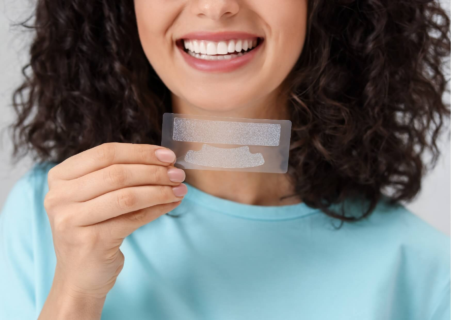
Do Teeth Whitening Strips Work? What They Can and Cannot Fix
A lot of people reach for whitening strips after noticing stains from coffee, tea, red wine, or smoking. The appeal is easy to understand. They are easy to buy, easy to use, and usually cost much less than in-office whitening.
The short answer is yes, teeth whitening strips can work. But they work best for some kinds of discoloration, help only a little with others, and cannot fix every reason teeth look dark or uneven.
That gap between expectation and reality matters. Many people assume whitening is a simple cosmetic fix, then feel disappointed when one tooth stays darker, sensitivity flares up, or the result looks less dramatic than the box promised.
In real life, whitening results depend on more than the product itself. Stain type, enamel condition, age, dental history, and how consistently the strips are used all affect the outcome.
Dental Wellness in Sioux Falls offers professional teeth whitening services and diagnosis for patients looking for more predictable results.
How Whitening Strips Actually Lighten Teeth
Most whitening strips use peroxide ingredients, usually hydrogen peroxide or carbamide peroxide. These ingredients help break apart stain molecules in the tooth so teeth can look lighter over time.
Teeth are not solid white. The outer layer, enamel, is somewhat translucent, and the deeper layer, dentin, has a naturally darker yellow tone.
Whitening products can lighten certain stains in or on natural teeth. They cannot change the basic structure of the tooth or the color of a crown, veneer, or filling.
This is where many people get mixed results. If discoloration comes from surface staining or mild internal staining, strips may help. If it comes from trauma, a dead nerve, fluorosis, enamel defects, or older dental work, strips may do very little.
Who Usually Sees the Best Results
The best results usually happen in people with mild to moderate yellowing from everyday habits. Coffee, tea, tobacco, and normal aging often cause the kind of discoloration that responds reasonably well to over-the-counter whitening.
A common example is someone whose front teeth have slowly dulled over the years but who has no major restorations on visible teeth and no active tooth pain. In that situation, strips often make a noticeable difference, even if the change is not dramatic.
Results are usually less impressive when teeth look gray, patchy, or uneven. Gray discoloration tends to be more resistant, and spotty color changes may point to enamel development issues instead of simple stain buildup.
What Whitening Strips Cannot Do
Whitening strips do not remove tartar, repair cavities, or treat gum disease. They also do not whiten crowns, veneers, bonding, or tooth-colored fillings.
That matters more than many people expect. If your front teeth have visible dental work, the natural enamel may lighten while the restorations stay the same shade.
They also cannot explain why one tooth looks much darker than the others. A single dark tooth should be evaluated by a dentist because it may be related to trauma, internal bleeding, or nerve damage rather than routine staining.
How Long Results Usually Take
Whitening strips usually do not create a major change after one use. Most people who respond see gradual lightening over several days to a few weeks, depending on the product and the starting shade.
This is one place where marketing can create unrealistic expectations. A mild to moderate improvement is common. A very bright, movie-screen white result is much less predictable.
Even when strips work well, the results do not last forever. Coffee, tea, smoking, and normal aging can slowly darken teeth again over time.
Why Some People Stop Using Them
The most common problem is tooth sensitivity. Teeth may feel sharp or zinging pain with cold air, cold drinks, or sweets, especially if enamel is thin, roots are exposed, or there are untreated cracks or cavities.
Gum irritation is also common when whitening gel touches the soft tissue. It may feel like burning, soreness, or a white irritated patch along the gums.
Over-the-counter whitening is often presented as simple and harmless for everyone. In reality, a healthy mouth may tolerate it well, while a mouth with recession, worn enamel, untreated decay, or leaking fillings may not.
If pain is significant, gets worse, or lasts after you stop whitening, it is safer to stop and get checked. Do not assume all sensitivity is normal.
When Whitening Strips Are a Poor Choice
Whitening should usually wait if you have active tooth pain, visible cavities, swollen gums, loose teeth, or a broken filling. In those situations, color is not the main issue.
A practical example is someone who notices staining but also has bleeding gums and one area that traps food every day. Whitening strips may seem like a quick fix, but they can distract from gum inflammation or decay that needs treatment first.
Another red flag is a single dark tooth. That pattern is different from general staining and may need X-rays and an exam before any cosmetic treatment is considered.
People with strong sensitivity, extensive dental work on front teeth, or a history of enamel defects may also do better with a dentist-guided plan than with standard strips.
Whitening Strips Versus Professional Whitening
Both approaches can lighten natural teeth, but they are not the same. Over-the-counter strips are simpler and less expensive. Professional teeth whitening adds diagnosis, shade planning, and a better chance of finding out why teeth look dark in the first place.
If you're weighing other routes, review whitening alternatives.
Here is a practical comparison:
|
Option |
Best For |
Main Advantages |
Main Limits |
|
Whitening strips |
Mild to moderate generalized staining |
Lower cost, easy access, convenient home use |
Less customized, may irritate gums, limited effect on difficult stains |
|
Dentist-supervised home whitening |
Patients who want stronger guidance |
Better tray fit or product selection, monitoring for sensitivity, more tailored approach |
Higher cost than strips |
|
In-office whitening |
Faster cosmetic change when appropriate |
Quicker visible result, professional supervision |
Higher cost, not ideal for every stain type, may still cause sensitivity (see professional whitening duration) |
The biggest difference is not just strength. It is screening.
A dentist can often tell whether the issue is stain, restoration mismatch, enamel wear, trauma, or disease. That changes what treatment makes sense.
How to Decide If They Are Worth Trying
Whitening strips are often worth trying when discoloration is mild, fairly even, and not linked to pain or obvious dental problems. They make the most sense when your goal is improvement, not perfection.
A simple checklist helps:
- The teeth are generally healthy and not painful.
- The color change is spread across several teeth, not isolated to one tooth.
- There are not many visible crowns, veneers, or fillings on front teeth.
- The staining is likely from coffee, tea, tobacco, or age-related yellowing.
- There is no major gum irritation, untreated decay, or strong cold sensitivity.
If several of those points are not true, a dental checkup is the better first step. That is not just a cosmetic recommendation. It is the safer way to avoid missing a problem whitening will not fix.
There is also a practical access issue here. Store-bought whitening is popular because it is affordable and immediate, while dental visits can feel harder to fit into a schedule.
But when whitening products replace diagnosis, small dental problems can go unnoticed until they become more painful and more expensive. If the discoloration seems unusual, the teeth are sensitive, or the result matters enough that mismatch would be frustrating, a dentist can help sort out whether whitening is likely to help before you spend time and money, and can also explain dentist whitening options.
Dental Wellness in Sioux Falls offers professional teeth whitening and serves patients from nearby Brandon and Tea. Call us at (605) 274-6191 to schedule.
FAQs
Do teeth whitening strips work on yellow teeth?
Often, yes. Yellow staining from food, drinks, smoking, or aging tends to respond better than gray or patchy discoloration.
Do whitening strips work on crowns or fillings?
No. Whitening strips do not change the color of crowns, veneers, bonding, or fillings.
Can whitening strips damage teeth?
When used as directed, they do not usually damage healthy teeth. But they can cause sensitivity or gum irritation.
If teeth already have decay, cracks, exposed roots, or other problems, discomfort is more likely.
When should I see a dentist before whitening?
Schedule an exam first if you have tooth pain, bleeding gums, swelling, a broken tooth, strong sensitivity, or one tooth that looks much darker than the others.
Are whitening strips as good as professional whitening?
They can help with mild to moderate staining, but they are less customized. Professional whitening is usually a better fit when discoloration is more complex, side effects are a concern, or visible dental work may affect the final appearance.